 Banana AI
Nano Banana Trending Prompts: How to Recreate the Viral Photo Styles
Copy-ready Nano Banana trending prompts for figurines, retro portraits, cinematic scenes and storyboards, plus a prompt formula that keeps your face consistent.
A Nano Banana trending prompt is a shared text instruction that people paste into Google’s Nano Banana image models to recreate a viral photo style, such as a figurine, retro portrait or cinematic ad. To make one, upload a clear photo, tell the model to keep your face unchanged, then describe the scene, styling, lighting and camera.
What is the Nano Banana trend?
The Nano Banana trend is people sharing copy-paste prompts that turn an ordinary selfie into a stylized image, then posting the results. Prompt roundups are published widely as trend content, and the styles below are community-style examples, not confirmed current trends.
Trend content now covers the newer Pro model too. NotEGPT’s list of trending Nano Banana Pro prompts goes beyond portraits to storyboards, infographics and ad-style scenes.
No single prompt is “the” trend. Styles rotate, and the same idea gets rewritten many times. It is more useful to learn the structure behind these prompts than to chase one exact wording.
Which Nano Banana model should you use?
A reasonable approach is to start with the standard Nano Banana model for quick photo edits and try Nano Banana Pro when the image needs readable text or more involved layouts; this is a suggestion, not an official recommendation. Nano Banana models are made by Google. On Banana AI’s web app, you can choose Nano Banana Standard (Google Gemini 2.5 Flash Image), Nano Banana 2 or Nano Banana Pro, as well as Grok Imagine from xAI.
NotEGPT claims that Nano Banana Pro handles mixed-script text, such as multilingual ad copy inside an image. That is the blog’s own claim. Check any text in your result carefully before you post it.
What makes a trending Nano Banana prompt work?
A strong prompt tells the model what to keep, what to change and how the shot should look. Most shared trend prompts follow the same order:
- Instruction: “Turn the person in this photo into…” or “Place the person in this photo in…”
- Identity lock: “keeping the face and identity unchanged.”
- Scene: location, time of day, weather, props.
- Styling: clothing, hair, era.
- Light and camera: flash or daylight, film look, angle, depth of field.
- Text, if any: the exact words in quotes, plus a request for legible, correctly spelled text.
The patterns in NotEGPT’s examples fit this structure. Here is what each one needs:
| Pattern | What to specify | Good for |
|---|---|---|
| Reference-photo identity lock | Keep exact facial features, hairstyle and clothing from the references | Consistent character across images |
| Multi-panel storyboard | Per panel: shot type, action, setting | Comics, story posts |
| Infographic | Format, number of takeaways, style, color scheme, legible spelling | Explainers, carousels |
| Cinematic ad | Location, time of day, weather detail, a text element | Moody profile images, posters |
Nano Banana trending image prompts to copy
Each prompt below is written to paste straight in. Edit prompts expect one clear photo of you. The text prompt needs no upload.
Collectible 3D figurine photo
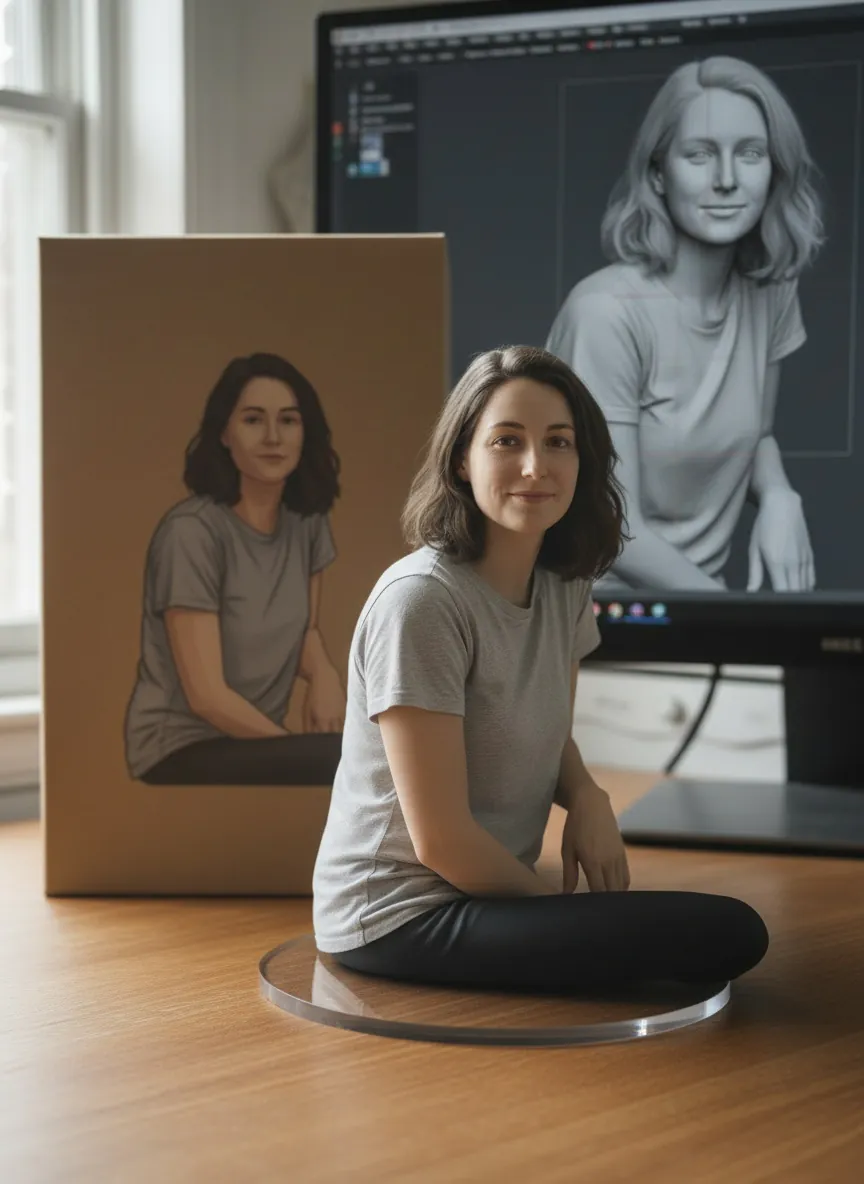
The figurine look turns you into a small collectible on a desk. To make this 3D photo in any Nano Banana tool, upload a well-lit, front-facing photo and describe the base, the desk setting and the packaging. Keep the box unbranded so the result doesn’t copy a real product.
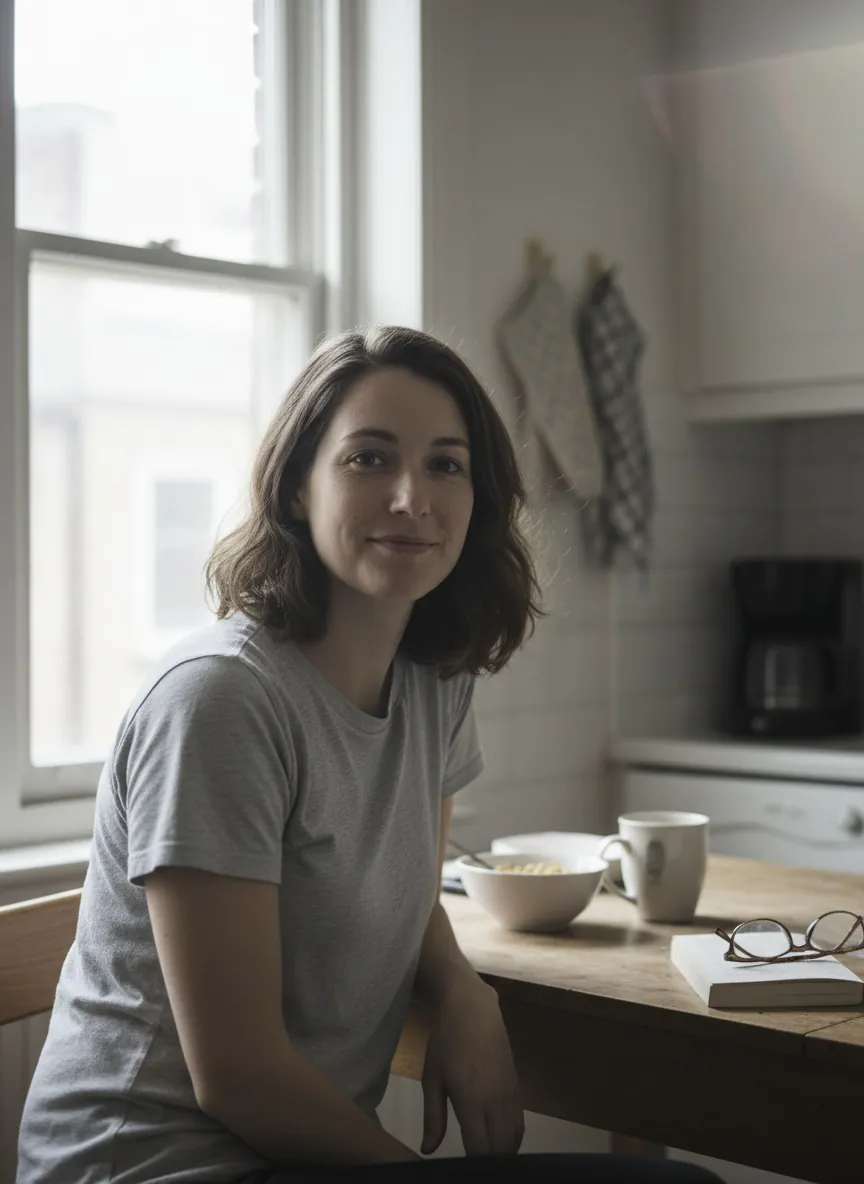 Input photo
 Result
Example 1Made with Nano Banana in Banana AI
Collectible 3D figurine
Turn the person in this photo into a 1/7 scale collectible figurine, keeping the face and identity unchanged. The figurine stands on a round clear acrylic base on a wooden desk next to a monitor showing its 3D sculpt, with a plain unbranded box printed with the figure's illustration behind it. Soft window daylight, glossy painted PVC finish, shallow depth of field, realistic product photo.
The figurine style: name the base, the desk setting and an unbranded box.
If the figure looks too much like a photo of you, add “glossy painted PVC finish” or “visible sculpt seams” so it reads as a toy.
Cinematic neon night scene
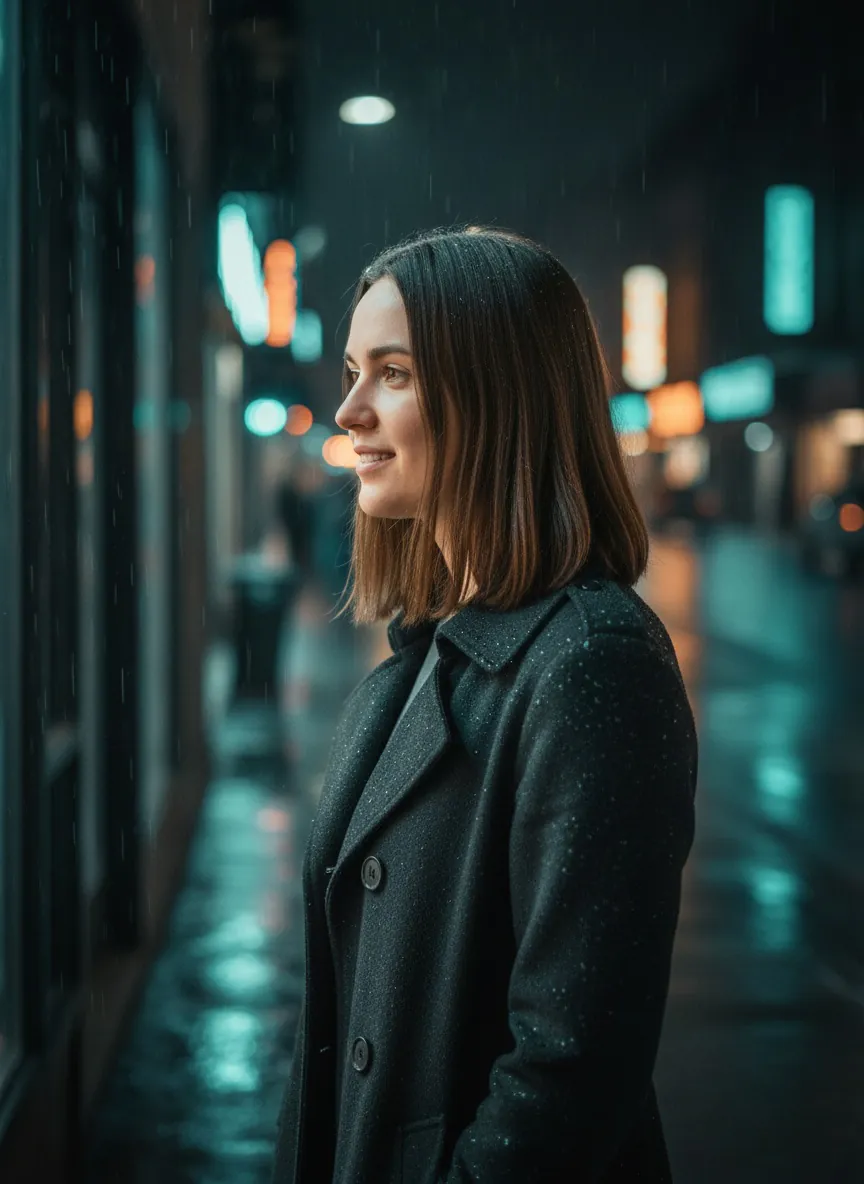
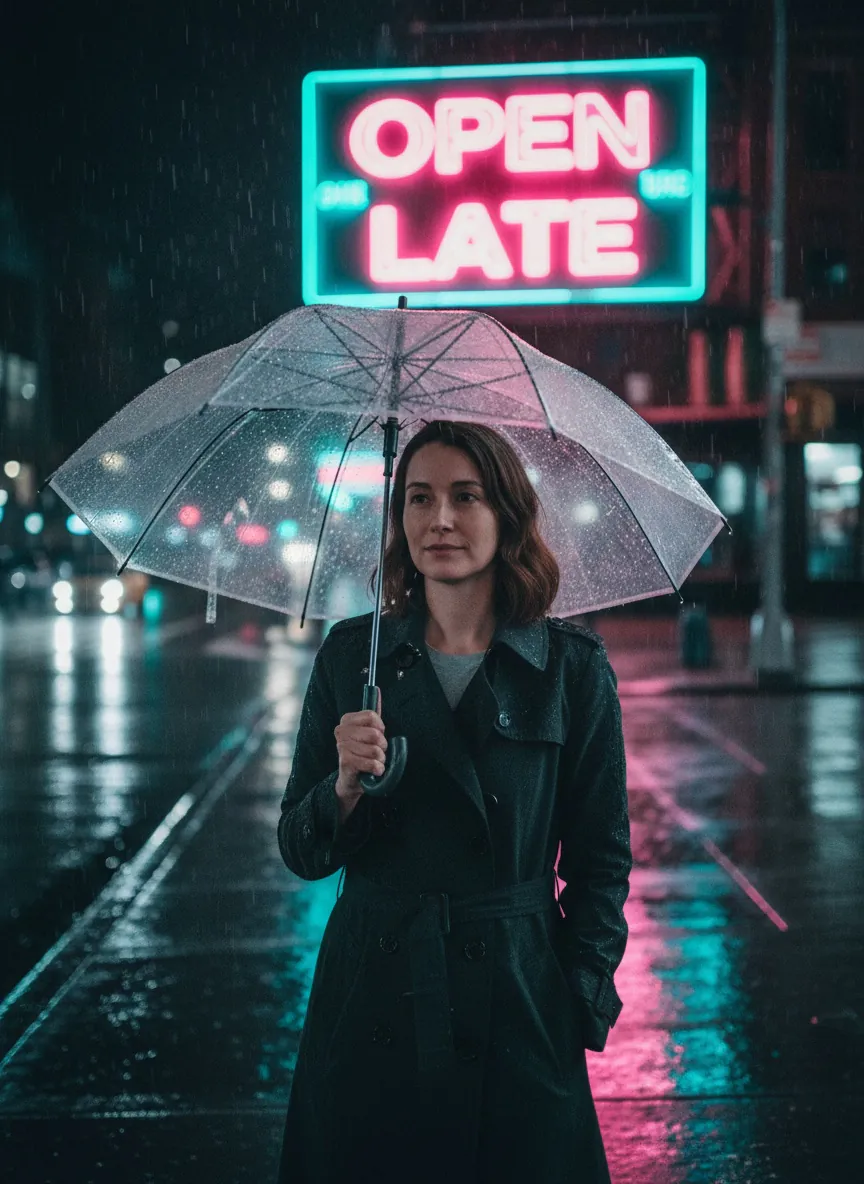
This follows the cinematic ad pattern: a specific location, a time of day, a weather detail and one text element. Quoting the sign text and asking for correct spelling gives the model a clear target.
Input photo
 Result
Example 2Made with Nano Banana in Banana AI
Cinematic neon night scene
Place the person in this photo on a rainy city street at night, keeping the face and identity unchanged. She wears a dark trench coat and holds a clear umbrella. Wet pavement reflects pink and teal light from a large neon billboard that reads "OPEN LATE" in bold block letters. Cinematic 35mm film look, low camera angle, light rain streaks, moody color grade. Ensure the text is legible and spelled correctly.
Cinematic pattern: location, time of day, weather detail and one short text element.
Keep sign text short. Two or three words come out cleaner than a full sentence.
90s portrait studio throwback
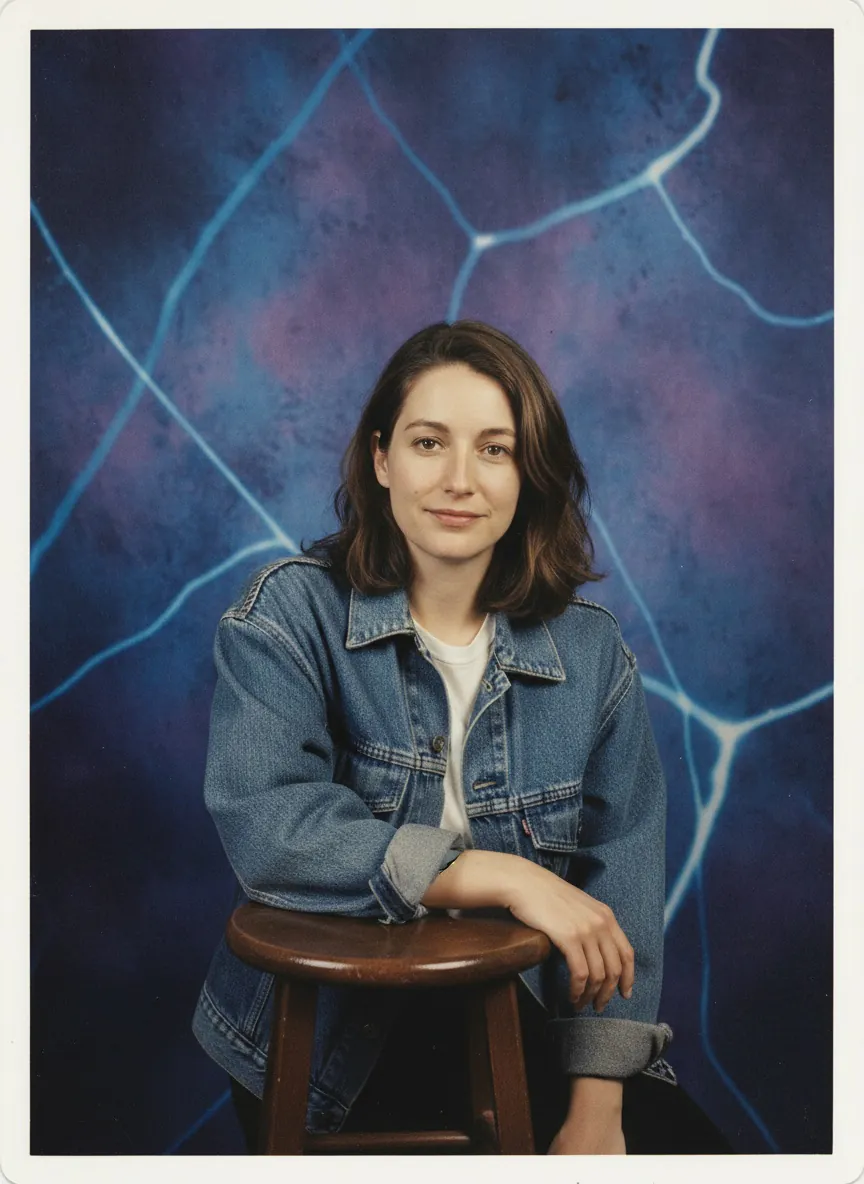
Era prompts work when you name concrete details: backdrop, flash style, clothing and print format. “Retro” alone is too vague. For more ready-made looks in this style, browse the 90s aesthetic photo styles.
Input photo
 Result
Example 3Made with Nano Banana in Banana AI
90s portrait studio throwback
Restyle the person in this photo as a 1990s mall portrait studio picture, keeping the face and identity unchanged. She wears an oversized denim jacket over a white tee, with her hair in a soft side part, leaning on a stool in front of a mottled blue laser-style backdrop. Direct soft flash, slight film grain, warm faded colors, framed like a printed 4x6 photo with rounded corners.
Era prompts work when you name the backdrop, flash, clothing and print format.
Four-panel comic storyboard
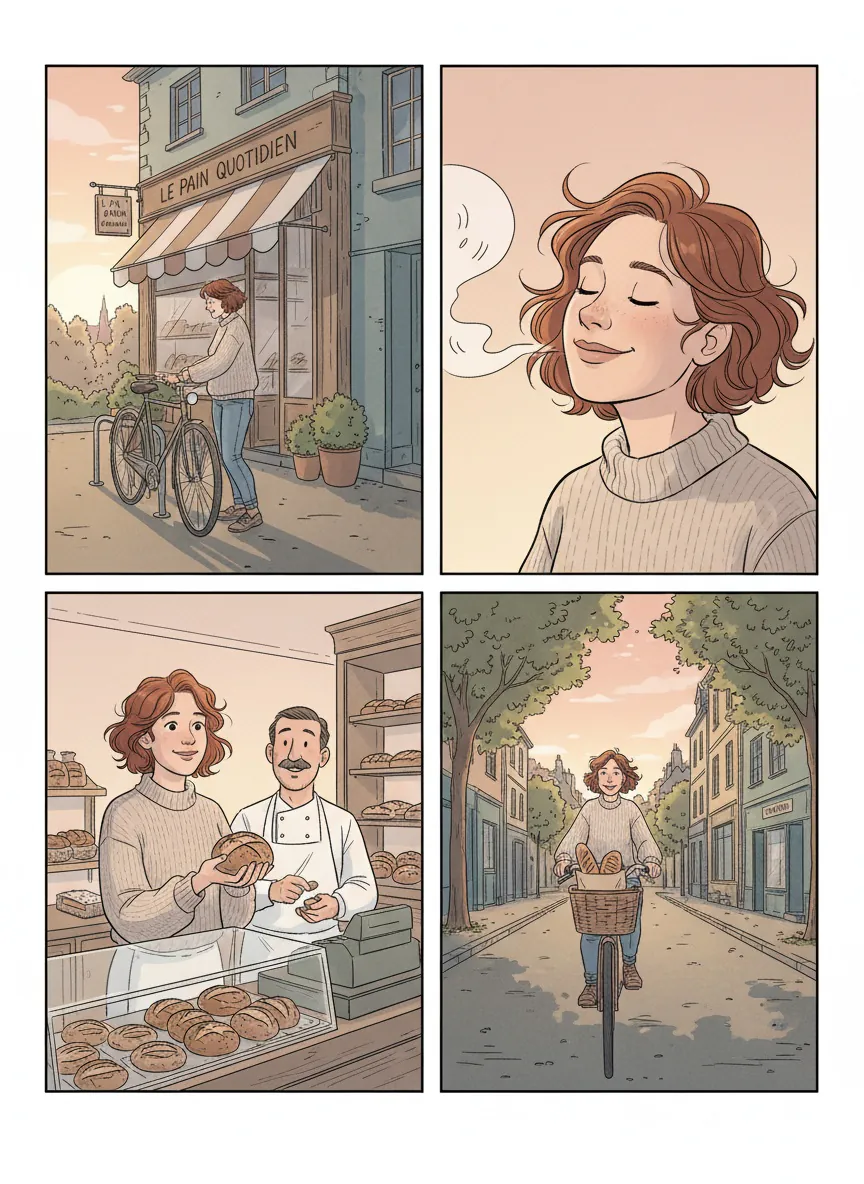
Storyboard prompts describe each panel on its own, with a shot type, an action and a setting, which is the structure NotEGPT shows. Ending with “consistent character in every panel” helps keep the same person throughout.
 AI image
Example 4Made with Nano Banana in Banana AI
Four-panel comic storyboard
A four-panel comic storyboard in a 2x2 grid, clean ink lines with flat muted colors. Panel 1: wide shot of a woman in her thirties with short curly hair locking her bike outside a small bakery at sunrise. Panel 2: close-up of her smiling as she smells fresh bread. Panel 3: medium shot of her paying at the counter. Panel 4: wide shot of her riding down an empty street with a paper bag in the basket. Consistent character in every panel.
Storyboard pattern: give each panel its own shot type, action and setting.
To star in the comic yourself, upload your photo and change the opening to “Create a four-panel comic of the person in this photo, keeping the face unchanged.”
How do you keep your face the same?
Say it outright in the prompt and give the model good reference photos. NotEGPT’s examples use multiple references with wording like “keep exact facial features, hairstyle and clothing from the reference photos”, and its example uploads up to 5 photos of one character. That number comes from the blog’s example, not from an official limit. On Banana AI’s web app, you can add up to 8 reference images to a single edit.
No wording guarantees a perfect likeness every time. These habits help:
- Use sharp photos with even light and an unobstructed face.
- Mix angles: front, three-quarter and a natural smile.
- Don’t ask for big changes to age or face shape in the same prompt.
- If the face drifts, rerun the prompt rather than piling on more instructions.
Is there a prompt generator for Nano Banana Pro?
You don’t need one. The formula above is effectively a generator: fill in the six slots and you have a working prompt. If you prefer, ask any chatbot to “rewrite this idea as an image prompt with scene, styling, lighting and camera details”, then paste the result into your image tool.
For infographic prompts, NotEGPT’s examples state the format (vertical), the number of takeaways, a style such as flat corporate Memphis design, the color scheme and “ensure all text is legible and spelled correctly”. Copy that checklist and you will rarely need a separate tool.
Where can you run Nano Banana trending prompts?
These prompts are plain text, so you can try them in Nano Banana tools such as Gemini or Banana AI. Results will differ between models, so treat any prompt as a starting point.
Banana AI is useful if you want to switch between Nano Banana Standard, Nano Banana 2 and Nano Banana Pro without changing apps. The web app at app.getbanana.ai handles text-to-image and photo editing on paid plans starting at $19/month, with credits. There is no free tier on the web. The iOS and Android apps include the same image features plus GPT Image 2, and they add video. You can animate a finished trend photo with Kling 2.5 Turbo, Veo 3.1 Fast or Grok Imagine Video. Video is only available in the mobile apps.
If you would rather pick a preset look than write a prompt, Banana AI’s explore pages offer styles like Instagram-ready photos. For seasonal ideas built on the same formula, see the AI Halloween photo prompts.
Common mistakes with Nano Banana prompts
- Too vague: “make it aesthetic” leaves every decision to the model. Name the place, light and clothing.
- Too many ideas at once: one scene, one mood, one era per prompt.
- Long text in images: short, quoted words render more reliably than paragraphs.
- Real people and brands: prompts that copy a celebrity or a logo can be refused, and they can cause problems when you post. Use a generic version instead.
- Trusting viral claims: posts about “first model to” features or official limits are often marketing. Check Google’s own documentation before you rely on them.
What we noticed testing these prompts
- All four examples (collectible figurine, neon night scene, 90s studio portrait, and four-panel comic) worked on the first attempt with Nano Banana, so the log shows no retries and no rejected results.
- The three photo-based prompts each stated that the face and identity should stay unchanged and then described the outfit or setting. The reviewer saw each result match those details, such as a trench coat with a clear umbrella or a denim jacket with a white tee.
- The figurine result went beyond the base: the reviewer saw a monitor showing a 3D sculpt and an illustrated box behind the figure. The neon scene also showed a rainy street with pink and teal reflections under an “OPEN LATE” sign.
- The comic prompt used no photo and instead specified a 2x2 grid, clean ink lines, flat muted colors, and a panel-by-panel plot. The result was four panels following a woman from parking her bike at a bakery to cycling home.
Banana AI
Try these prompts in the Banana AI app
Upload a selfie, paste any prompt from this guide and pick Nano Banana, GPT Image or Grok. The app also turns your photos into AI videos and viral effects.
On a computer? Use Banana AI in your browser →
4.8 on the App Store from 180 ratings
FAQ
What is a Nano Banana trending prompt?
+
It is a shared, copy-paste instruction for Google's Nano Banana image models that recreates a viral style, such as a figurine, retro portrait or cinematic scene. You usually upload your own photo and paste the prompt alongside it.
How do I make the trending 3D figurine photo?
+
Upload a clear, front-facing photo and ask the model to turn the person into a collectible figurine while keeping the face unchanged. Describe the base, desk setting, packaging and lighting, and keep any box unbranded.
Do Nano Banana prompts work in ChatGPT or Gemini?
+
They are plain text, so you can paste them into Nano Banana tools such as Gemini or Banana AI. Each model reads them a little differently, so expect some variation and a few reruns.
Which model is best for prompts with text in the image?
+
Nano Banana Pro is a sensible one to try for posters, billboards and infographics. NotEGPT claims it handles mixed-script text well, but that has not been confirmed by Google, so always check the spelling in your result.
Is Banana AI free for running these prompts?
+
No. Banana AI's web plans start at $19/month with credits, and the mobile apps use an in-app subscription. There is no free tier on the web.